Planning a Balanced Tabletop Game Night
A successful tabletop game night is less about fitting in as many games as possible and more about giving everyone a comfortable way to take part. A little planning helps balance different experience levels, attention spans and ideas of what makes an evening fun.
Start with the group
Before choosing games, consider who is coming. Think about the number of players, whether anyone is new to tabletop games, and whether the group prefers quick, social rounds or longer strategic play. If you are unsure, ask guests what they enjoy and whether there are games they would rather avoid.
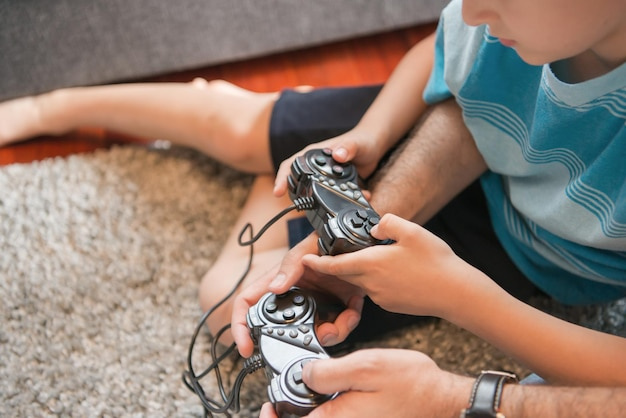
Plan for different comfort levels. A game that is familiar to some players may be intimidating to others, so avoid making prior experience feel like a requirement. If the group is large, check that your chosen games support the number of people attending, or prepare a second table.
Choose a varied line-up
A balanced selection usually includes games with different moods and levels of commitment. A short, easy-to-explain game can help guests settle in. A more involved game may suit the group once everyone is comfortable, while a relaxed party or cooperative game can provide a change of pace.
You do not need to play every game you bring. Choose a small line-up that gives the evening options without making the group feel rushed. Leave time for conversation, breaks and the possibility that one game will be more enjoyable than expected.
Make the rules easy to follow
For each game, read the rules beforehand if possible. Knowing how to set up and explain the first turn can prevent the evening from getting bogged down. Keep the rulebook nearby for questions, and explain the aim and basic flow before describing less common details.
When teaching a game, start with the essentials and add examples as they become relevant. Give players a chance to ask questions, and be patient if someone needs a reminder. For a first session, agreeing to check unclear rules together can be more welcoming than stopping play for a long debate.
Balance the pace
An evening can lose momentum if a long game begins before everyone has arrived or if players are tired by the time it starts. Begin with something that works for the group’s arrival pattern, then choose a longer game only if there is enough time and interest.
Pay attention to how people are responding. If a game is running long or the group wants a change, agree on a natural stopping point where possible. Having a short alternative ready makes it easier to adapt without making anyone feel that a game has to be finished at all costs.
Make the space comfortable
Set up enough clear table space for boards, cards and player areas. Check that everyone can see the components and reach what they need. Good lighting and a place to put drinks away from the game can also help keep play comfortable.
Plan simple refreshments that are easy to pause for and unlikely to damage game components. Let guests know whether they should bring anything, and make breaks part of the evening rather than an interruption. If the gathering is at home, consider noise and travel plans so the finish time works for the group.
Keep the evening welcoming
The goal is shared enjoyment, not winning every round or mastering every rule. Make room for quieter guests to join in, avoid pressuring anyone to play a particular game, and treat house rules consistently. If someone prefers to watch a round before joining, that can be a perfectly good way to start.
A thoughtful mix of games, clear explanations and a flexible schedule gives the evening room to unfold naturally. When the group feels comfortable and included, the table is balanced—even if the plan changes along the way.